What is a Geo Grid?
A geo grid, a crucial component in the realm of civil engineering and construction, is essentially a two-dimensional arrangement of high-strength polymer materials. These grids are typically made from substances such as high-density polyethylene (HDPE) or polypropylene, both known for their durability and resistance to environmental stresses. The primary purpose of geo grids is to enhance the stabilization of soil and to support the load-bearing capacity of various surfaces.
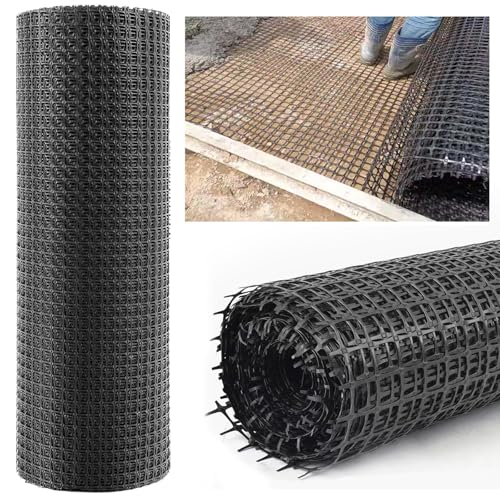



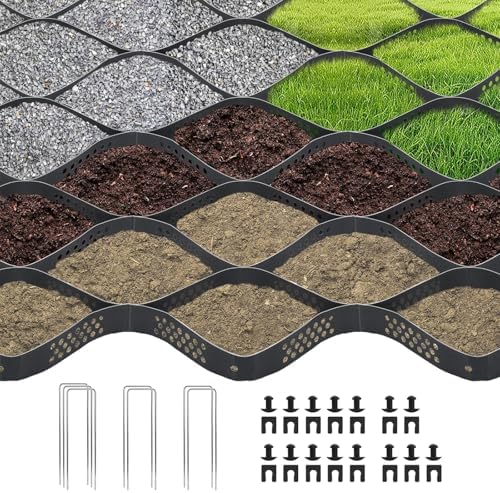


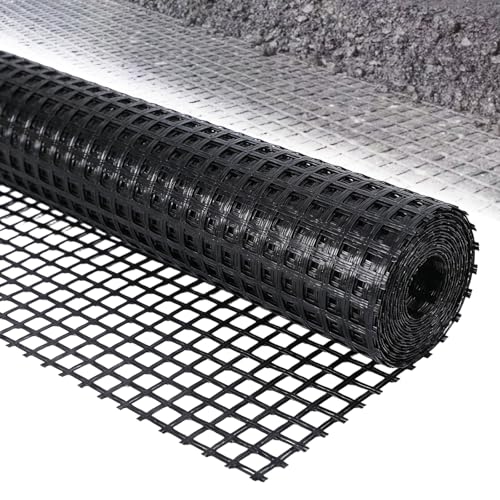




The structure of a geo grid can vary, with different forms and designs tailored to specific applications. Common types include plastic grids, which are often used to support roadways and pathways, and geocells, which offer even greater flexibility by confinement within a three-dimensional framework. These configurations maximize strength while minimizing material usage, showcasing an innovative approach to engineering.
Geo grids possess unique properties that make them exceptionally useful in a variety of applications. Their lightweight nature allows for ease of transportation and installation, while their high tensile strength ensures that they provide reliable performance under load. This makes them ideal for use in reinforcement projects such as retaining walls, steep slopes, and even in the construction of pavements. Furthermore, the ability of geo grids to integrate seamlessly with soil and drainage systems enhances their functionality, paving the way for sustainable practices in infrastructure development.
In summary, a geo grid serves as a vital element in modern construction practices. By understanding its composition and structure, including the materials used and the forms available, stakeholders can better appreciate how geo grids contribute to the overall effectiveness and longevity of civil engineering projects throughout the United Kingdom.
Applications of Geo Grids in the UK
Geo grids, a prominent technology in the realm of civil engineering, offer an array of applications across the United Kingdom. One of their primary uses is in soil stabilization, where they help distribute loads and enhance the strength of the ground. By reinforcing the soil structure, geo grids prevent deformation and maintain the integrity of various infrastructure projects. This application proves particularly critical in areas with weak or unstable soil conditions.
In the construction sector, geo grids play a significant role in load distribution. Structures such as roadways, embankments, and retaining walls can benefit from the load-bearing capacities of geo grids, which effectively reduce the risk of settlement or collapse. For instance, geo grids have been extensively utilized in the construction of highways and parking lots, where they ensure efficient load management and prolong the lifespan of the surface material.
Furthermore, in the field of landscaping, geo grids are employed to enhance drainage systems and prevent soil erosion. They assist in retaining soil while allowing water to flow naturally, therefore mitigating the impact of heavy rains in sensitive areas. Projects such as the restoration of riverbanks and coastal areas have shown significant improvements when geo grids are integrated into the design, stabilizing the landscape and supporting plant growth.
Several case studies within the UK showcase the effectiveness of geo grids. For instance, a notable project in the Lake District involved the use of geo grids to stabilize slopes prone to landslides, effectively preserving both the environment and human infrastructure. Another project along the south coast demonstrated how geo grids could inhibit coastal erosion, reflecting their innovative application in diverse terrains.
Benefits of Using Geo Grids
Geo grids have become increasingly popular in the UK for a variety of applications, offering numerous advantages that extend beyond simple soil reinforcement. One of the most significant benefits is their ability to enhance soil strength. By distributing loads over a larger area, geo grids effectively minimize the risk of soil failure, making them particularly useful in construction and roadworks.
In addition to improving soil stability, the implementation of geo grids can lead to a substantial reduction in material usage. Traditional methods often require extensive layers of soil and other materials to support structures. However, geo grids can optimize material distribution, allowing for thinner layers of fill material while maintaining structural integrity. This reduction not only lowers initial construction costs but also contributes to overall resource conservation.
The cost efficiency provided by geo grids cannot be overlooked. Their use often results in quicker installation times and reduced need for heavy machinery, ultimately decreasing labor and equipment expenses. Faster project completion timelines are a significant advantage for contractors and project managers who are keen to meet deadlines and budget constraints.
Moreover, geo grids play a pivotal role in enhancing site sustainability. By mitigating soil erosion and reducing the environmental footprint of construction activities, geo grids contribute to a more sustainable approach to land management. Their application in various sectors, including transport, civil engineering, and landscaping, demonstrates their versatility and adaptability.
In summary, the deployment of geo grids within the UK offers substantial advantages, including enhanced soil strength, reduced material consumption, lower costs, and improved site sustainability. Their ability to ensure faster project completion while minimizing environmental impacts underscores their growing importance in contemporary construction practices.
Future Trends and Innovations in Geo Grids
The future of geo grids in the construction and civil engineering sectors looks promising, particularly with emerging innovations that aim to enhance sustainability and performance. One of the most notable trends is the development of biodegradable geo grids. These innovative materials, created from natural polymers, offer an environmentally-friendly alternative to traditional geo grid materials, which are often derived from petroleum-based products. This advancement not only addresses the ecological concerns associated with plastic waste but also promotes a circular economy as these materials can breakdown safely after their lifecycle.
Furthermore, there is a growing inclination towards incorporating geo grids within the framework of eco-friendly construction practices. The escalating awareness of environmental issues is driving demand for more sustainable building solutions, prompting construction companies to seek out materials that have a lower environmental impact. In this context, geo grids can provide significant benefits, such as soil stabilization, erosion control, and even improving drainage while minimizing the need for additional materials, thus reducing the overall carbon footprint of construction projects.
Alongside these advancements in materials science, industry trends indicate a push towards increased collaboration among stakeholders to integrate new technologies into existing infrastructure. Digital tools like Geographic Information Systems (GIS) and Building Information Modeling (BIM) facilitate better planning and implementation of geo grid solutions, enhancing their effectiveness in real-world applications. As professionals continue to explore the advantages of geo grids, it is evident that their role in sustainable practices will only become more significant in the coming years. This holistic approach to geo grid application could revolutionize the construction industry, paving the way for innovation while adhering to environmental standards.