Introduction to Geogrids and Their Importance
Geogrids are engineered polymer mesh materials designed to enhance soil stability and strength, playing a crucial role in various applications within construction and civil engineering. These materials offer support for a range of structures, ensuring their longevity and performance.
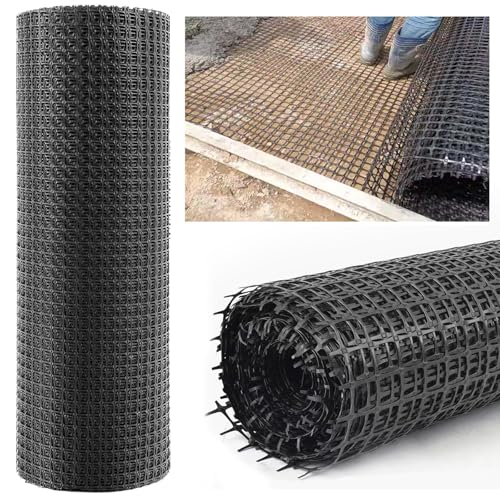

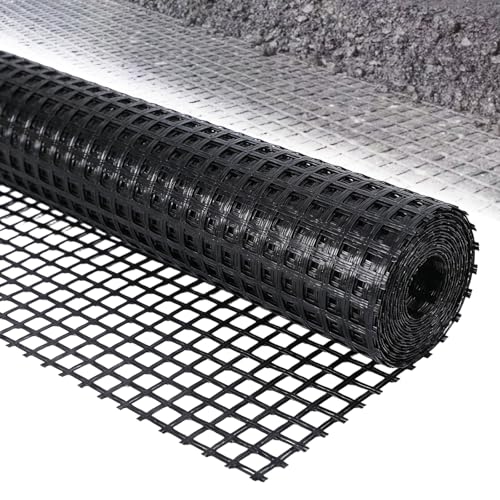


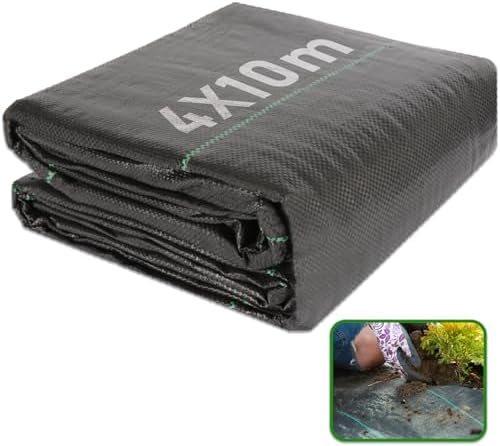
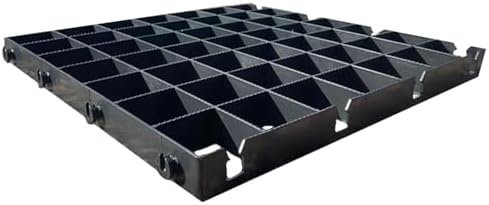

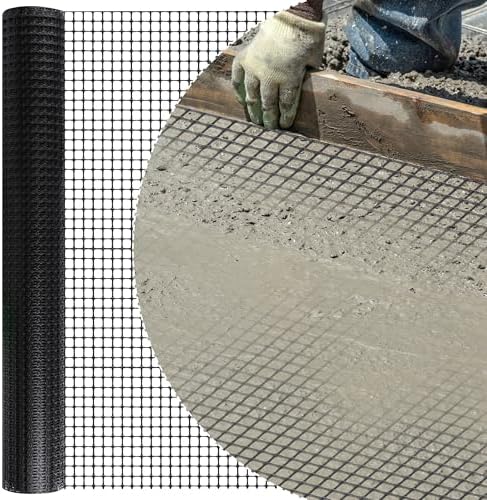

The primary purpose of geogrids is to provide reinforcement to soil, which is particularly useful in areas with challenging ground conditions. Their adoption in the United Kingdom has gained significant traction, reflecting the industry’s shift towards innovative and sustainable construction practices.
One of the key applications of geogrids is in road construction. By utilizing geogrid technology, engineers can distribute loads over a broader area, reducing the risk of ground deformation and subsequent pavement failure. This capability leads to enhanced performance of roadways, decreased maintenance costs, and prolonged service life of infrastructure projects. Geogrids also play a vital role in stabilizing slopes, preventing landslides, and managing erosion, thereby strengthening overall site integrity.
Furthermore, the use of geogrids aligns with the principles of sustainability. As cities in the UK continue to expand and face the challenges of urbanization, integrating geogrids into construction processes presents an opportunity to reduce materials usage and minimize the environmental impact of projects. By enhancing the structural performance of soil, geogrids can lead to decreased reliance on traditional construction techniques, which often consume more resources and produce higher levels of waste.
In summary, geogrids represent a significant advancement in construction technology, providing vital support for various projects in the UK. Their ability to improve soil stability and contribute to sustainable practices underscores their importance in contemporary civil engineering and construction applications.
Leading Geogrid Manufacturers in the UK
The geogrid manufacturing sector in the United Kingdom is characterized by several key players who have established themselves as leaders through innovation, quality, and extensive product offerings. Among the foremost manufacturers is Tensar International, founded in 1983. With a focus on soil stabilization and reinforcement solutions, Tensar has pioneered several technologies that have reshaped the industry. Their range of geogrids is widely used in construction, civil engineering, and road building, emphasizing sustainable practices and improved performance.
Another notable company is Geosynthetics Limited, which has dedicated itself to providing high-performance geogrid systems. Established over a decade ago, this firm specializes in geosynthetic materials that enhance ground stability and reduce erosion. Their commitment to research and development has led to the introduction of several innovative products that cater to both civil engineering and environmental applications, all while ensuring compliance with international standards.
Furthermore, BOSTD UK stands out with its comprehensive suite of geogrid solutions, particularly focusing on the automotive and aerospace industries. With years of experience in textile engineering, BOSTD has successfully integrated geogrid technology into lightweight materials, aiding in weight reduction without sacrificing strength or durability. Their position in the market is strengthened by their emphasis on creating sustainable materials that align with modern environmental initiatives.
Lastly, another contender in the UK geogrid landscape is Strata Systems, known for its versatile products that address a variety of challenges in geotechnical engineering. Their research-based approach has culminated in advanced geogrid technologies that provide exceptional load distribution and reinforcement. By collaborating with various stakeholders, Strata Systems has effectively positioned itself as a leader in integrating geogrid solutions across multiple industries.
Comparative Analysis of Geogrid Products
In the context of geosynthetics, geogrids are crucial materials that contribute significantly to various civil engineering projects. There are primarily two types of geogrid materials used within the United Kingdom: polyester and polypropylene. Each material demonstrates distinct properties that influence their respective performance and suitability for specific applications.
Polyester geogrids are known for their excellent tensile strength and durability. These materials exhibit low elongation, making them suitable for high-load applications such as retaining walls and road reinforcement. They also provide superior resistance to degradation when exposed to environmental factors, including ultraviolet radiation and soil chemicals. Their performance metrics typically show enhanced stability under various loading conditions, which is vital for ensuring structural integrity in demanding projects.
On the other hand, polypropylene geogrids are characterized by their lightweight nature and ease of installation. These geogrids are often favored for applications like roadbase reinforcement and slope stabilization. Their flexibility allows for adaptation to various project requirements, although they may not offer the same high tensile strength as polyester alternatives. Nonetheless, polypropylene materials demonstrate satisfactory performance in moderate load-bearing scenarios and provide good resistance to moisture absorption.
When evaluating geogrid products, it is crucial to consider specific project demands and environmental conditions. Factors such as soil type, load requirements, and installation methods should guide the choice between polyester and polypropylene geogrids. Furthermore, performance metrics such as tensile strength, elongation properties, and resistance to environmental degradation play a vital role in selecting the appropriate product. By conducting a thorough comparative analysis of these materials, project planners and engineers can make informed decisions that optimize performance and durability, ensuring the success of their infrastructure projects.
Future Trends and Innovations in Geogrid Technology
The evolution of geogrid technology is positioned at the forefront of the construction and civil engineering industries in the United Kingdom. As demands for more efficient and sustainable construction practices rise, geogrid manufacturers are expected to integrate innovative solutions into their production processes. Notably, advancements in manufacturing technologies will play a significant role. Automated techniques such as 3D printing and precision casting are anticipated to streamline production, allowing companies to create tailored geogrid solutions that meet specific project requirements. This customization capability can lead to improved structural reinforcement, ultimately enhancing the overall longevity and performance of geogrid applications.
Furthermore, the incorporation of smart technologies into geogrid systems is an emerging trend that holds considerable promise. Enhanced sensors and monitoring systems embedded within geogrids can provide real-time data on structural integrity and environmental conditions. Such innovations will enable construction professionals to assess performance dynamically, facilitating proactive maintenance and reducing overall project risks. By adopting these smart functions, geogrid technology can transition from a passive element of construction to an active participant, continuously informing stakeholders about critical conditions.
Sustainability remains at the core of future innovations as the industry faces increasing pressure to reduce its environmental footprint. Geogrid companies are actively exploring eco-friendly materials and processes. This could involve the use of recycled materials in the production of geogrids or the development of biodegradable options that minimize waste. The adoption of green practices not only supports environmental goals but also positions firms competitively in a market where sustainability is becoming an expectation rather than a novelty.
These trends in geogrid technology are poised to significantly impact the construction sector in the UK. By fostering efficiency and elevating environmental considerations, the advancements will likely lead to safer infrastructures, cost-effective solutions, and minimized disruptions during construction processes. As innovation continues to reshape the landscape, geogrid companies will play a pivotal role in driving the future of resilient and sustainable construction practices.
Contact information — Please use contact form on http://www.abshot.com/contact/